Why Your Customers Worry About Brass Jewelry
If you sell fashion accessories in the US, Europe, or Australia, you’ve likely seen these complaints:
- “This brass ring turned my finger green.”
- “The color faded after two weeks.”
- “I got bad reviews and returns.”
Brass jewelry doesn’t naturally equal poor quality.
Poor plating = unhappy customers.
Many suppliers use fast electroplating or extremely thin coatings (0.1–0.2 μm). Once sweat, perfume, or ocean water touches the metal, the thin gold layer cracks → oxygen reacts with copper → tarnish appears.
This guide will teach you:
- Why brass jewelry tarnishes
- The difference between common plating methods
- How vacuum furnace plating + PVD coating prevents discoloration
- Real customer success cases from our factory
What Is Brass Jewelry?
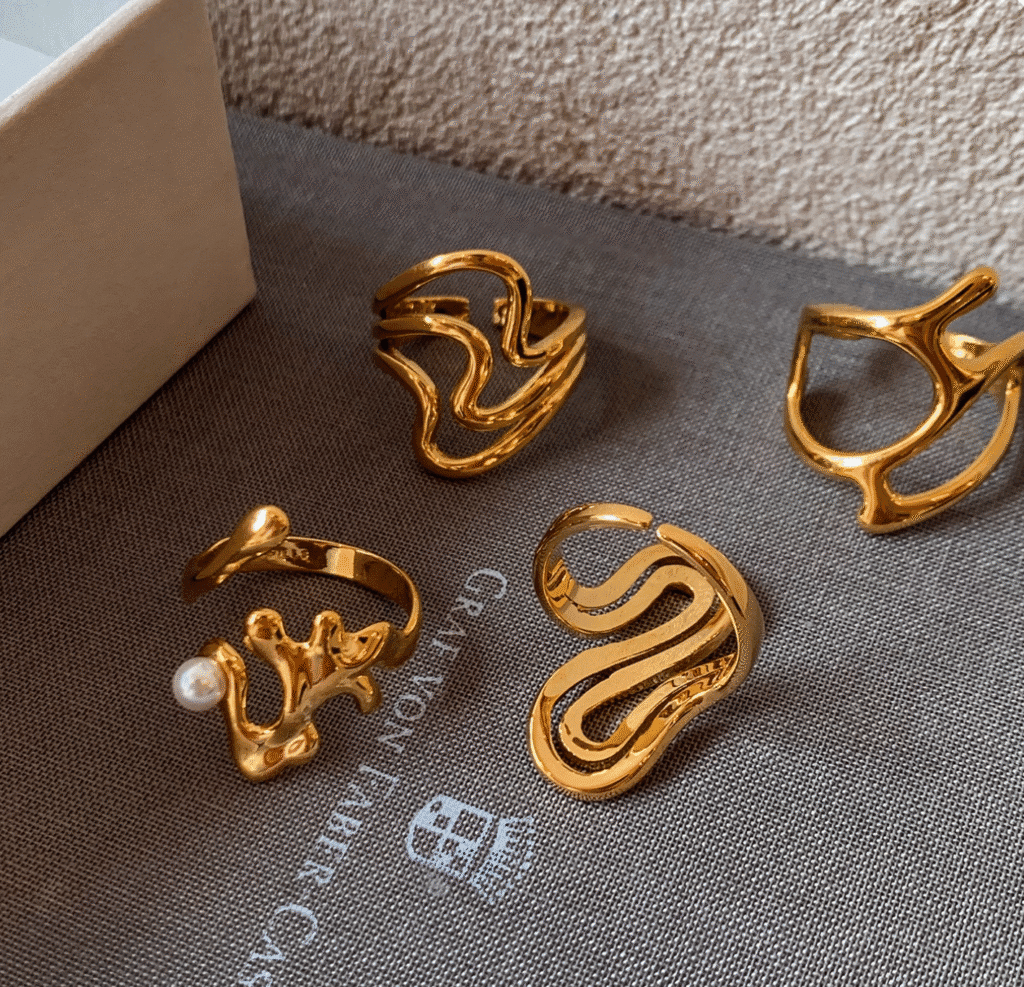
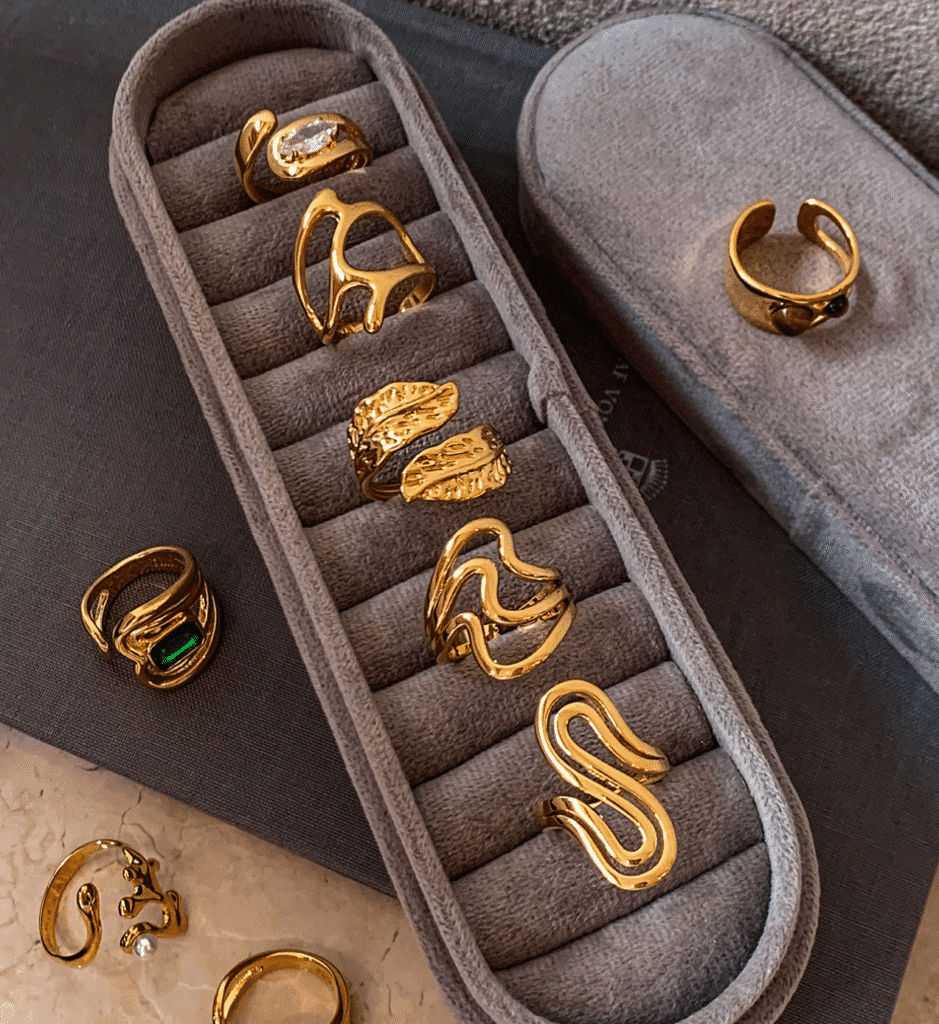
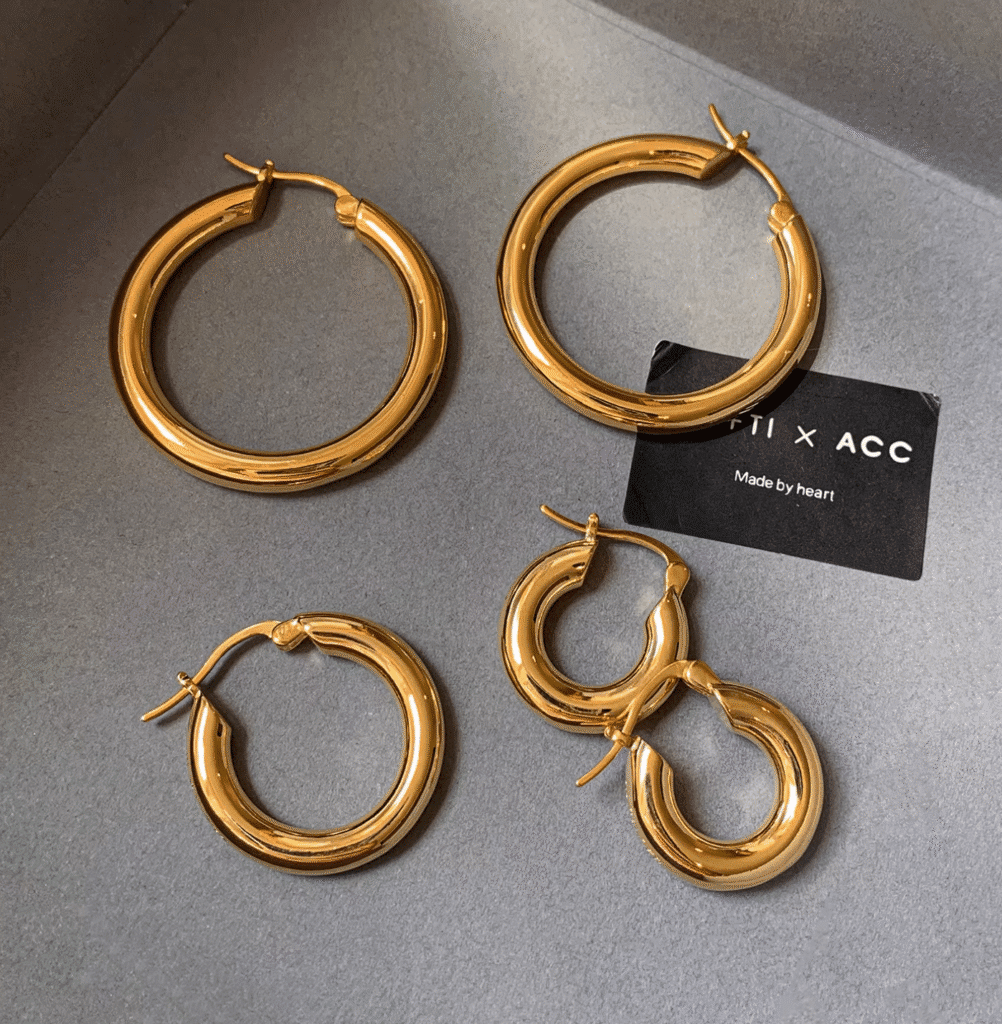
Brass is a metal alloy of copper and zinc. It’s widely used in jewelry because:
- Solid brass has strong hardness and stability
- It is an excellent substrate for gold plating
- It offers gold-like color at a fraction of the cost
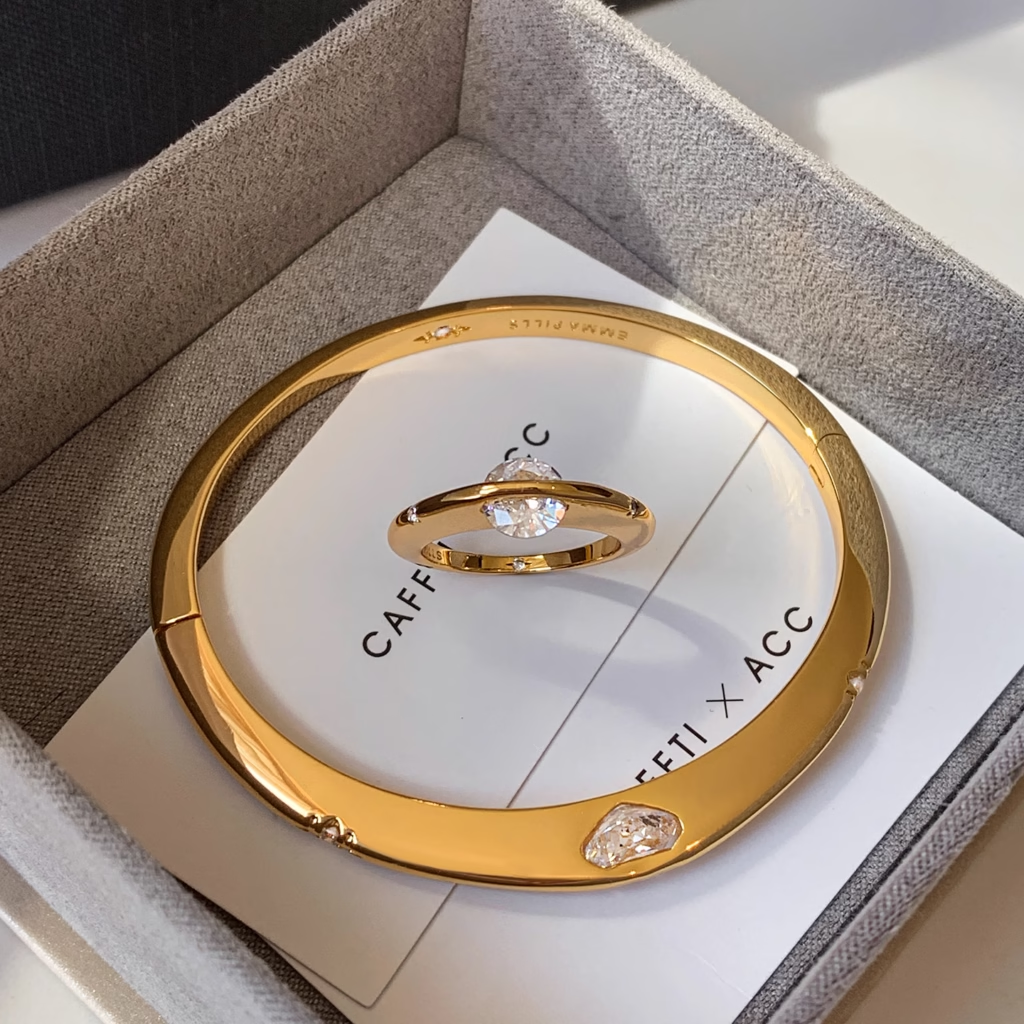
- It can be crafted into chains, rings, pendants, earrings, anklets, etc.
This is why Brass Jewelry dominates the fashion segment:
affordable, versatile, customizable, lightweight.
But brass will oxidize when exposed to oxygen, humidity, or human sweat. The result is a darker surface or a greenish tone.
This isn’t harmful — it’s just surface-level copper oxide.
Why Does Brass Jewelry Tarnish?
To understand tarnish, you need to understand the science.
Oxidation is not “bad quality” — it is natural chemistry
Copper (Cu) + oxygen (O₂) = copper oxide (CuO).
That oxide appears as dark spots or color fading.
sweat + perfume accelerate the reaction
Sweat is acidic & salty → speeds up copper oxidation.
Perfume contains alcohol & chemicals → breaks plating.
thin plating is the real killer
A gold layer under 0.3 μm is extremely fragile.
That’s why many low-cost fashion jewelry pieces last only 2–6 weeks before customers complain.
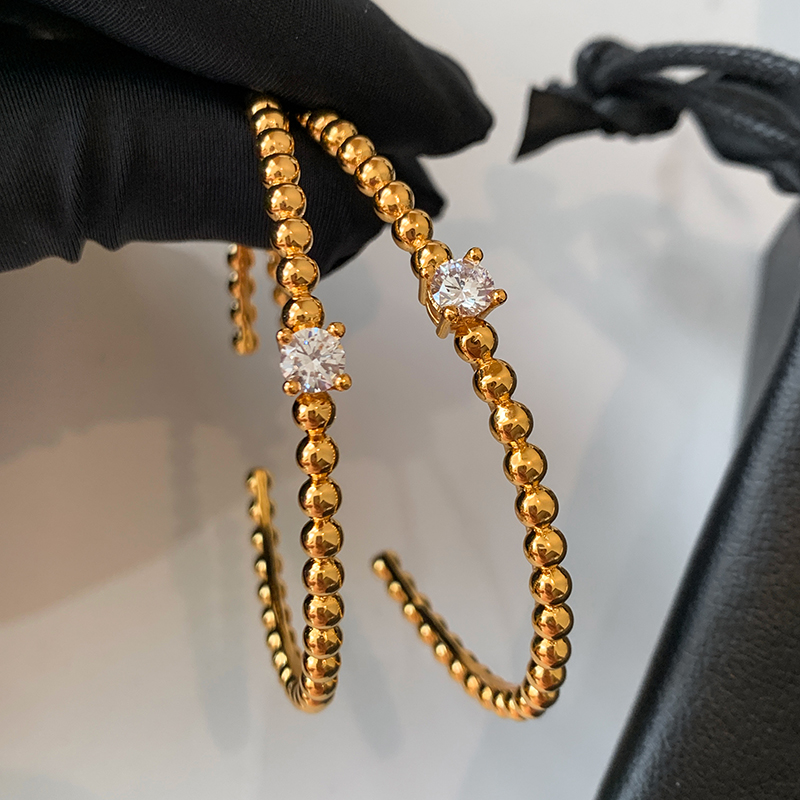
Plating Methods: Not All Brass Jewelry Is the Same
Plating Methods: Not All Brass Jewelry Is the Same
1) Electroplating (Water Plating)
- Lowest cost
- Fast
- Color lasts 1–3 months
This is what many AliExpress suppliers use.
It produces shiny color at first, but it fades quickly.
2) Traditional 18K Gold Plating
- Medium cost
- Thickness around 0.3–0.5 μm
- Color lasts 3–6 months
Better than water plating, but still unstable when exposed to sweat, salt water, gym activities, sunscreen, perfume, etc.
3) Vacuum Furnace Plating + PVD: Industrial Grade Protection
This is the technology we use for Brass Jewelry that doesn’t tarnish.
Instead of open-air electroplating, the jewelry is plated in a sealed vacuum furnace.
No dust, no contamination, no unstable current.
What Is Vacuum Furnace Plating?
Benefits:
- The gold layer is uniform
- No pinholes or bubbles
- Stronger bonding to the brass base
- Better corrosion resistance
Think of it as surgical- or watch-industry-level plating.
What Is PVD (Physical Vapor Deposition)?
PVD is a coating method where metals (e.g., titanium, gold) vaporize and condense on the jewelry in high vacuum.
Why it matters:
- ✔ High hardness (HV > 1500)
- ✔ Anti-scratch
- ✔ Excellent sweat & perfume resistance
- ✔ Color stability 12–36 months+
If you sell mid-to-high-end fashion jewelry to Western markets, PVD coating is non-negotiable.
Real Data: How Long Does PVD Brass Jewelry Last?
We test every batch using industrial methods:
- Salt spray test ≥ 72–96 hours
- Sweat resistance ≥ 7 days continuous
- Gold thickness ≥ 0.5–1.0 μm
- Abrasion resistance testing for chains and bracelets
Every number above is measurable and documented.
Not marketing — engineering.
Why Our Brass Jewelry Is Different
16 Years Factory Experience
We are a jewelry factory with 16 years of production experience, not a trading middleman.
Our core strengths:
- In-house engineers
- Vacuum furnace plating system
- Industrial PVD coating facility
- OEM/ODM for global fashion brands
- Fast sampling & brand customization
- MOQ = 1 piece for sample or influencer order
Heavy Gold Layer
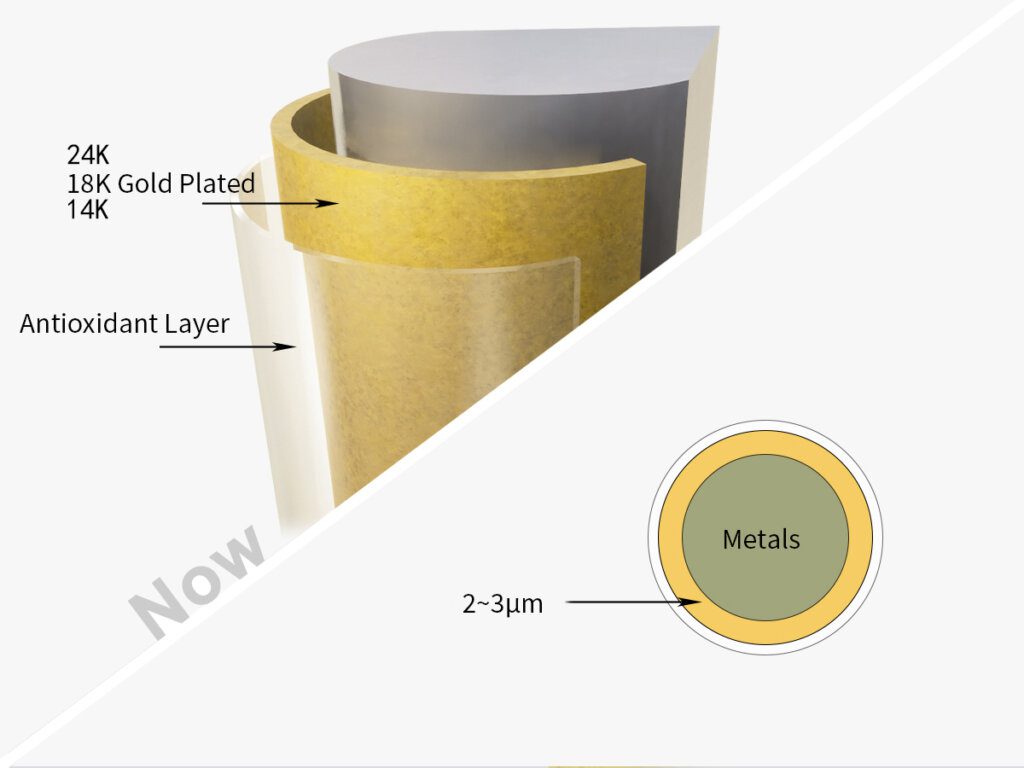
While most sellers use 0.1–0.3 μm plating,
we typically produce ≥2~3.0μm for durability.
Customers report:
No color fading
No green marks
No flaking
Hypoallergenic options
For sensitive skin markets (US/EU/Apple store accessories),
we offer:
- Nickel-free
- Lead-free
- Cadmium-free
Customer Success Cases
Case 1 — US Boutique Brand
A US jewelry brand previously used ordinary electroplating.
Return rate: ~30% due to tarnish & fade.
After switching to our Vacuum Furnace + PVD Brass Jewelry:
- Returns dropped to <2%
- Sales reviews improved from 3.6 → 4.8
- Repeat purchase increased dramatically
This single change turned them from “struggling seller” → “TikTok viral brand”.
Case 2 — Australian Wholesale Buyer
The buyer sold coastal fashion jewelry.
Their products faded and caused complaints due to ocean exposure.
We customized:
- 18K vacuum plating
- PVD topcoat
- Beachwear stable color
Result:
- Store rating increased
- Order volume doubled in 3 months
- Their brand became a “premium coastal jewelry” supplier
Case 3 — Influencer Collaboration (MOQ=1)
Many content creators only need 1 piece:
- Tiktokers
- IG micro-influencers
- Brand ambassadors
- Etsy shop owners
We produce their samples within days.
If viral → we scale to 1000–5000 pcs fast.
How to Choose a Reliable Brass Jewelry Supplier
When sourcing from China, don’t just ask:
“Can you gold plate this?”
Ask:
“What thickness? What coating? What test standard?”
Look for:
- In-house factory (not middleman)
- Vacuum plating capability
- PVD coating facility
- Salt spray / abrasion test data
- Custom mold + CAD support
- Flexible MOQ
If a supplier can’t answer specs,
you’re buying risk — not inventory.
Maintenance Tips (for Your Product Pages)
Share these with your customers to reduce returns:
- Avoid wearing jewelry in pools and hot tubs
- Remove before gym or sauna
- Keep away from perfume & sunscreen during application
- Store in a dry pouch when not in use
Even though PVD is strong, good habits = longer color life.
Ready to Scale Your Brass Jewelry Business?
We provide:
- One-stop OEM/ODM service
- Custom design / redesign / logo engraving
- Brass + 18K / Rose Gold / White Gold tone
- Packaging & brand identity support
- Factory-direct wholesale pricing
- MOQ = 1 piece sample
- Fast shipping